
Behavioral Health Housing
Forensic residential programs provide correctional, behavioral health, and court partners with a placement option for individuals with serious mental illness, co-occurring substance use disorders, intellectual and developmental disabilities, and other complex behavioral health needs.
These programs combine housing, clinical services, medication support, and transition planning so agencies can maintain appropriate supervision, support treatment continuity, and use community-based resources more effectively.
Program services can help agencies:
- Provide behavioral health housing for individuals who require clinical oversight
- Increase treatment engagement and medication adherence
- Coordinate care among clinical teams, courts, supervision agencies, and community providers
- Support step-down planning from institutional, hospital, or crisis settings
- Document progress, service participation, and discharge planning needs for agency partners
- Connect individuals to appropriate community-based services before discharge
Understanding the Challenge
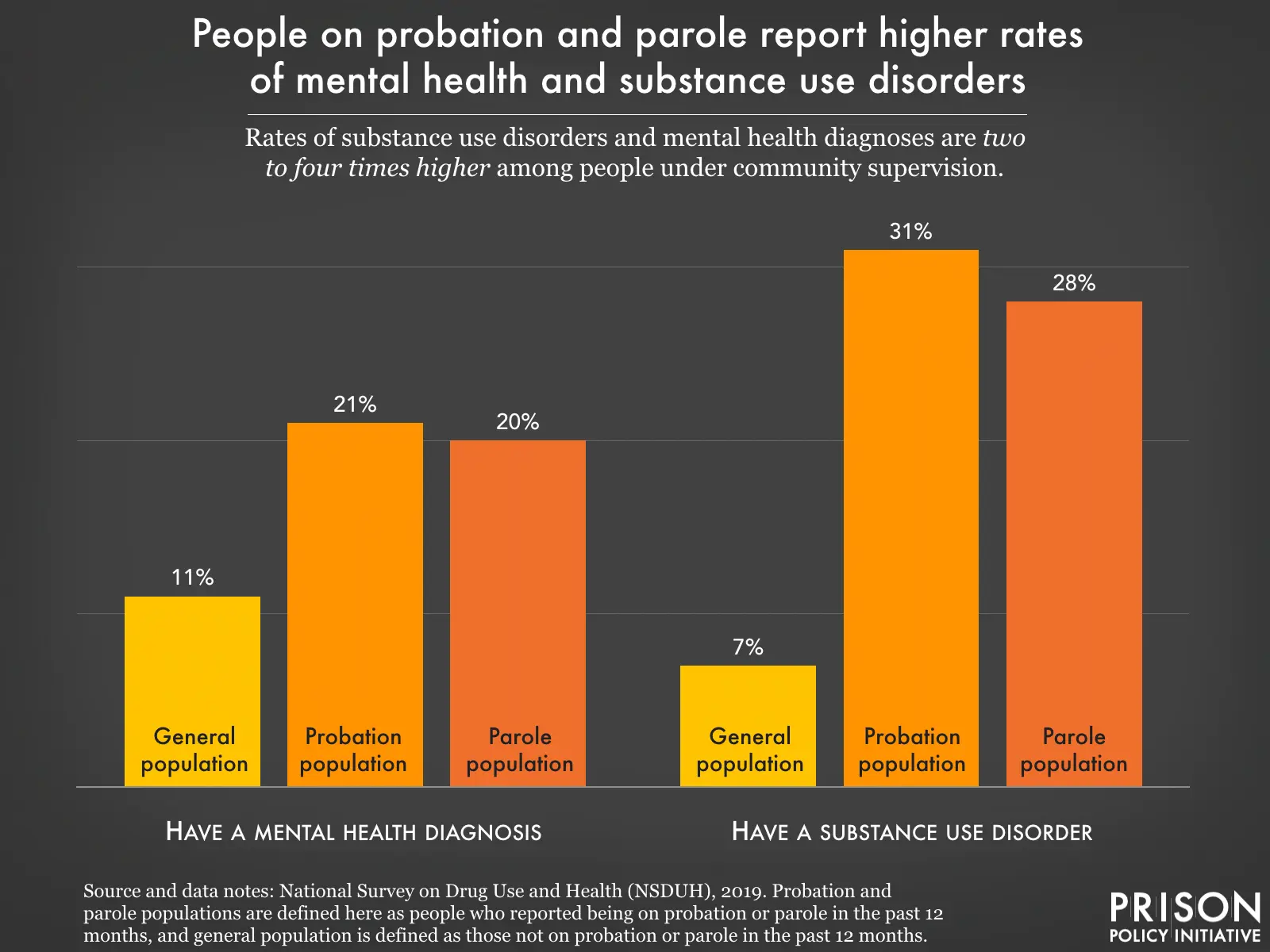
Agencies often supervise individuals with complex behavioral health needs who require more structure than standard community supervision can provide. Research indicates that nearly one-third of individuals on probation or parole with a mental health disorder report an unmet treatment need. For agencies, limited access to stable housing and coordinated behavioral health services can increase the risk of hospitalization, homelessness, and continued justice system involvement.
Many individuals referred to forensic residential programs also face housing instability, repeated hospitalization, untreated mental health conditions, substance use disorders, or challenges managing daily routines. For agencies, these needs can complicate supervision, treatment engagement, and discharge planning. Forensic residential programs provide a setting where clinical services, supervision requirements, care coordination, and discharge planning can operate together.
Clinical Care & Service Coordination
Forensic residential programs serve as an operational link between institutional settings, hospitalization, crisis stabilization, and community-based care. Care teams may include licensed mental health professionals, nurses, case managers, and support staff.
Services may include:
- Psychiatric evaluations and medication management
- Ongoing clinical assessments
- Individual counseling for symptoms, behaviors, and emotions
- Substance use treatment and recovery support
- Competency restoration education for legal proceedings
- Life skills training for daily routines, communication, and independence
- Transition planning that supports continuity of care after discharge
- Case management and care coordination with courts, supervision agencies, healthcare providers, and discharge-planning partners
Why Agencies Choose GEO Reentry for Forensic Programs
GEO Reentry combines strong residential operations experience, behavioral health expertise, case management, and community supervision coordination into one service model. This approach helps agencies align treatment needs, housing, court requirements, supervision conditions, and discharge planning for individuals with complex behavioral health needs, while supporting step-down care and effective use of community resources.
Consult with Us on Forensic Residential Solutions
Explore how forensic residential services can support your agency’s behavioral health, supervision, and reentry objectives. Our team can help assess needs and identify appropriate program options.
Frequently Asked Questions
A forensic residential program provides courts, correctional agencies, behavioral health partners, and supervision teams with a placement option for individuals with complex clinical needs who are referred by justice or behavioral health partners. Programs combine housing, behavioral health care, medication support, supervision coordination, and discharge planning in one setting.
These programs help agencies coordinate behavioral health care, medication support, housing needs, supervision conditions, and discharge planning. This structure supports step-down care, strengthens treatment continuity, and improves communication among courts, supervision teams, clinical providers, and community partners.
Services may include trauma-informed residential care, behavioral health assessments, psychiatric evaluations, medication management, counseling, substance use treatment, competency restoration education, life skills training, case management, and transition planning aligned with agency requirements.
Program staff maintain regular communication with the referring agency, court, supervision officers, healthcare providers, and discharge-planning partners. This coordination helps the agency monitor treatment, manage supervision conditions, document progress, and plan for appropriate community-based services after discharge.